Annapurna Base Camp Trek During Monsoon
- soleencounters
The Annapurna Base Camp Trek is one of Nepal’s most iconic journeys, known for its breathtaking mountain vistas, diverse landscapes, and vibrant cultural encounters. While the spring and autumn seasons are considered the best times to trek, many adventurers wonder: Is the Annapurna Base Camp Trek worth doing during the monsoon?
Table of Contents
Monsoon season in Nepal, spanning from June to early September, brings heavy rainfall and unique challenges. However, it also offers distinctive rewards for those prepared to face the wet conditions. In this detailed guide, we explore the realities, benefits, and precautions of trekking the Annapurna Base Camp during monsoon, helping you make an informed decision for your 2025 adventure.
For full trek details, itinerary, and expert support, visit our Annapurna Base Camp Trek page.
Understanding the Monsoon Season in the Annapurna Region
The monsoon season delivers much-needed rain to Nepal’s fertile valleys and forests but brings heavy downpours, fog, and increased humidity to the Annapurna region. Rainfall can be unpredictable, ranging from light showers to intense storms lasting several days.
During monsoon:
-
Trails can become muddy, slippery, and prone to landslides.
-
Visibility often reduces due to clouds and mist, obscuring mountain views.
-
Temperatures remain warmer in the lower regions but cool at higher altitudes.
-
River crossings may become more challenging due to swollen streams.
Advantages of Trekking Annapurna Base Camp During Monsoon
Despite the challenges, trekking in the monsoon has unique advantages that appeal to certain trekkers:
1. Lush Greenery and Blooming Flora
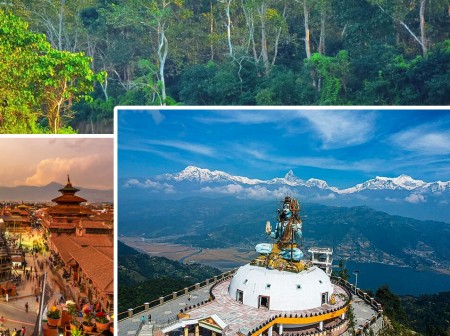
Monsoon transforms the Annapurna landscape into a vibrant green paradise. Rhododendron forests burst with colors, wildflowers bloom, and waterfalls are at their fullest, creating mesmerizing natural beauty.
2. Fewer Crowds on the Trail
Compared to peak seasons, monsoon trekking offers solitude. Trails, lodges, and viewpoints are much less crowded, providing a more intimate and peaceful trekking experience.
3. Lower Prices and Better Availability
Accommodation and services are often more affordable and easier to book during monsoon. This can appeal to budget-conscious travelers or those seeking last-minute trips.
4. Unique Photography Opportunities
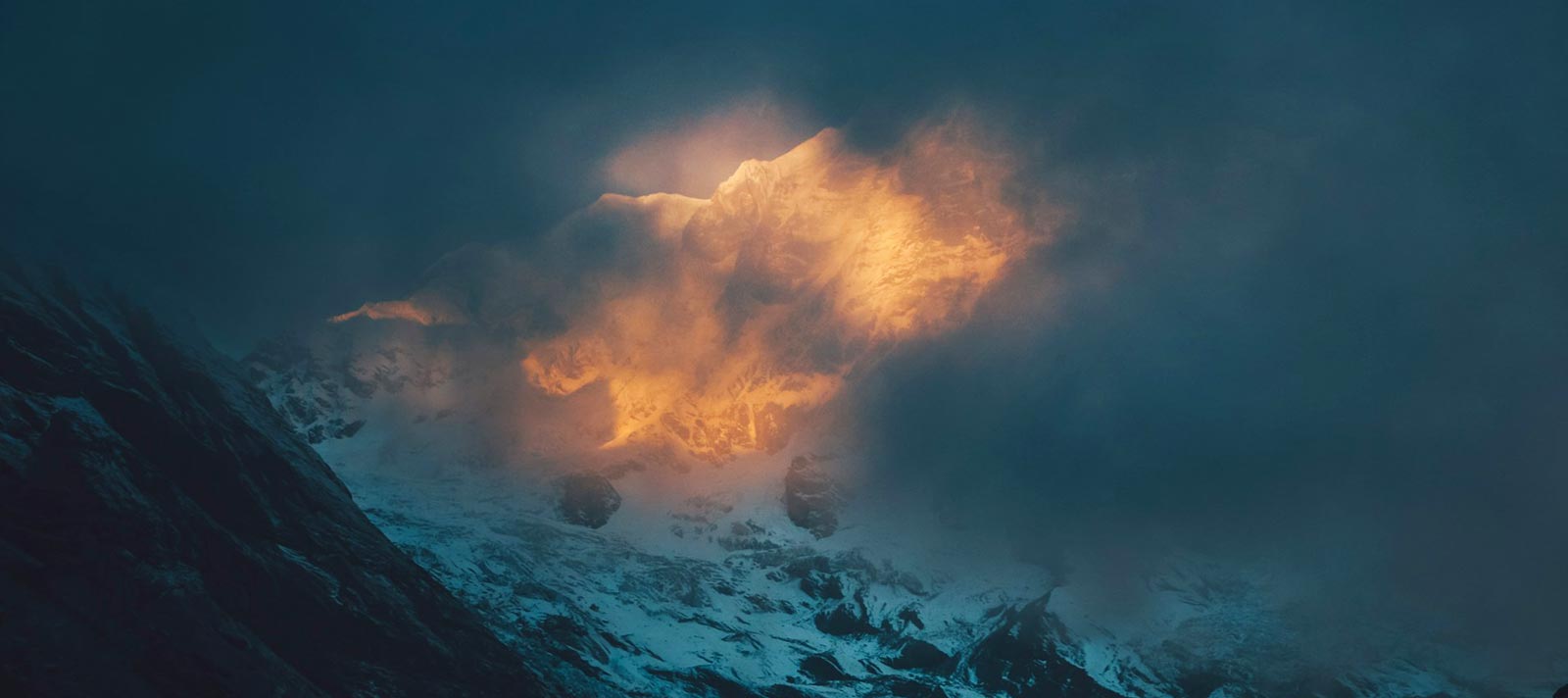
The dramatic skies, misty valleys, and powerful waterfalls provide captivating photographic moments not present in dry seasons.
Challenges and Risks of Annapurna Base Camp Trek During Monsoon
Before deciding on a monsoon trek, it’s crucial to understand the associated risks:
1. Trail Conditions and Landslides
Heavy rains soften trails and increase the risk of landslides and rockfalls, which can cause delays or dangerous situations. Certain sections may be temporarily closed or require extra caution.
2. Limited Mountain Views
Cloud cover and fog often block the iconic panoramic views of Annapurna, Machapuchare, and other peaks, which many trekkers prioritize.
3. Wet Weather Gear and Comfort
Constant rain means trekking in wet clothes and boots, increasing discomfort and potential health issues like hypothermia or fungal infections if not well-prepared.
4. Increased River Crossings
Rain-swollen rivers and streams may become difficult or unsafe to cross, particularly in remote sections.
5. Limited Services
Some lodges and tea houses may close for the season or offer limited meals and facilities due to fewer tourists.
Tips for Trekking Annapurna Base Camp During Monsoon
If you choose to trek during the monsoon, preparation is key for safety and enjoyment:
-
Carry high-quality waterproof gear: Invest in a reliable rain jacket, waterproof pants, and waterproof backpack covers.
-
Wear proper footwear: Waterproof trekking boots with good grip reduce slipping risks.
-
Pack quick-dry clothes: Avoid cotton; use moisture-wicking fabrics.
-
Use trekking poles: They improve balance on slippery terrain.
-
Start early each day: Maximize daylight and avoid afternoon storms.
-
Stay updated on weather: Monitor local forecasts and be prepared to alter plans.
-
Choose experienced guides: Local guides know safe routes and can navigate weather challenges.
-
Maintain health precautions: Stay hydrated, keep feet dry, and treat any wounds promptly.
-
Book flexible accommodations: Confirm lodging availability and cancellation policies.
-
Travel insurance: Ensure coverage includes weather-related disruptions.
Is Annapurna Base Camp Trek During Monsoon Right for You?
The monsoon trek appeals mostly to experienced and adventurous trekkers who value solitude, lush landscapes, and don’t mind risking limited views or wet conditions. Beginners or those seeking guaranteed panoramic mountain vistas are usually better off trekking in spring or autumn.
Choosing monsoon trekking offers a different, more immersive experience of the Annapurna region’s natural cycle and local life.
Best Time to Trek Annapurna Base Camp for Optimal Experience
For most trekkers, the ideal periods remain:
-
Autumn (September to November): Clear skies, stable weather, and vibrant cultural festivals.
-
Spring (March to May): Blooming rhododendrons and mild weather.
If you want a quieter trail and lush scenery despite the rain, consider monsoon trekking from June to early September, but prepare well.
Conclusion
The Annapurna Base Camp Trek during monsoon is a choice between embracing nature’s dynamic beauty and accepting weather-related challenges. It can be a rewarding experience for those well-prepared and open to adventure, offering unique sights and peaceful trails.
For detailed planning, personalized advice, and a seamless trekking experience, visit our Annapurna Base Camp Trek page or get in touch with our trekking experts via Contact Us or Talk to Our Experts.
Prepare wisely, respect the mountains, and the Annapurna region will reward you with an unforgettable journey — rain or shine.
Recent Posts
.jpg)
3rd Jul, 2025
.jpg)
4th Jul, 2025
.jpg)
4th Jul, 2025
.jpg)
7th Jul, 2025
.jpg)
8th Jul, 2025
.jpg)
8th Jul, 2025
.jpg)
8th Jul, 2025

10th Jul, 2025